
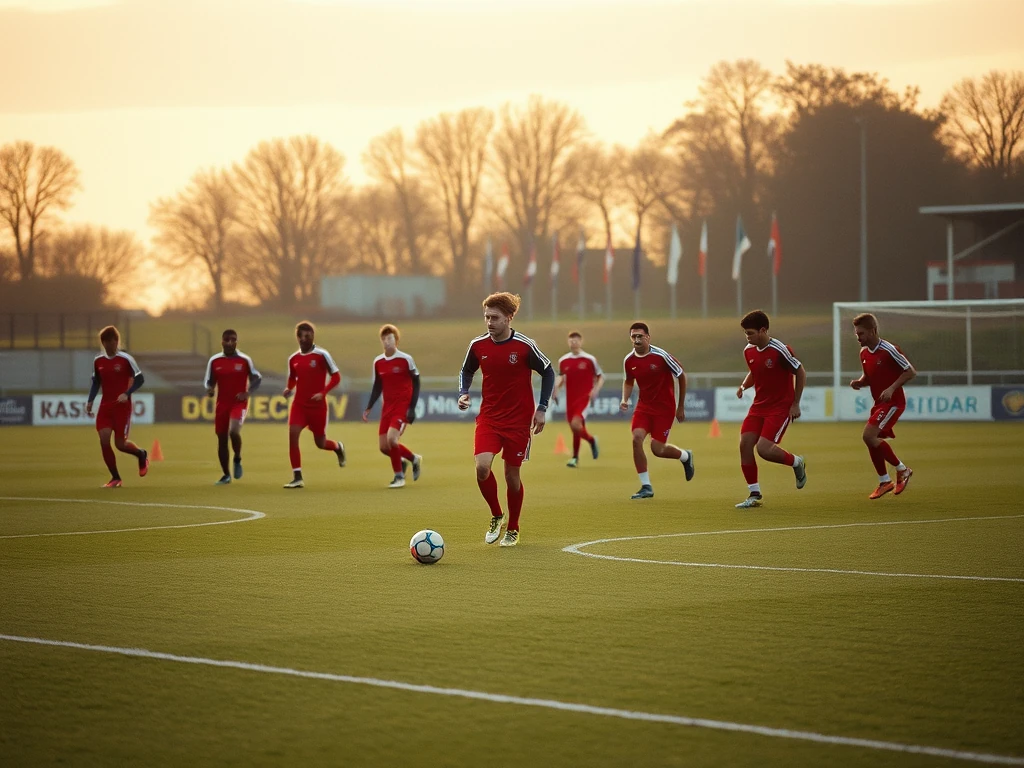
In the realm of football, certain seasons become emblematic of a club's identity, and for Gillingham, the 1987-88 season was one such year. As the Gills competed in the Fourth Division, they not only faced the challenges of the league but also began to cultivate a style of play that would resonate throughout the years to come.
Under the management of the iconic Tony Pulis, Gillingham entered the season with a sense of optimism, having retained a core group of players who understood the club's ethos. This was a time of transition in English football, and Pulis was at the forefront of adopting a more dynamic and attacking approach, which would come to define his managerial career. The Gills quickly became known for their resilience and tactical versatility, a shift from the more traditional, robust style of play that had previously dominated lower league football.
One of the season's highlights was the emergence of homegrown talent, with younger players stepping into key roles. The likes of Paul Smith and Tony Cascarino showcased their potential, providing a glimpse into the future of the club. Their contributions were vital as Gillingham sought to establish an identity that would resonate with fans at Priestfield Stadium, a venue that had witnessed its fair share of ups and downs.
As the season progressed, Gillingham's performances reflected a growing confidence. The team displayed an attacking flair that excited supporters and instilled a sense of pride among the fanbase. Matches at Priestfield became a hub of energy, with supporters rallying behind a team that was beginning to craft its narrative in the annals of Gillingham history. The blend of youth and experience brought about by Pulis was integral in nurturing a culture of ambition and determination.
The tactical innovations introduced during this season would lay the groundwork for Gillingham's future successes. The club began to attract attention not just for their results but also for their style of play, which was becoming increasingly attractive to scouts and analysts alike. This newfound reputation would prove advantageous in the years to follow, as the Gills continued to develop their squad and ambitions.
Gillingham's 1987-88 season stands as a pivotal chapter in the club's history. It was a year that encapsulated the spirit of the Gills, one marked by a commitment to progress and evolution. The foundations laid during this time would serve the club well in subsequent seasons, ultimately leading to opportunities for promotion and a more competitive presence in the Football League.
While the club faced its fair share of challenges in the years following this season, the memories created during the 1987-88 campaign would linger in the minds of supporters. It remains a testament to the club's resilience and the potential that comes from embracing change, a legacy that continues to inspire the Gills as they strive for success in League Two today.