Gillingham's Historic Rise to Division One: A Journey of Resilience
In the early 1990s, Gillingham FC was a club on the brink of obscurity, battling both on and off the pitch. The club had been languishing in the lower tiers of English football, with financial struggles becoming a familiar narrative. However, the dawn of the 1990s brought with it a renewed sense of hope and ambition, heralding a significant turning point in the club's history.
The arrival of manager Tony Pulis in 1995 marked the beginning of Gillingham's meteoric rise. Pulis, known for his tactical acumen and ability to motivate players, instilled a new sense of discipline and determination within the squad. Under his stewardship, the Gills began to flourish, showcasing a brand of football that was both resilient and entertaining.
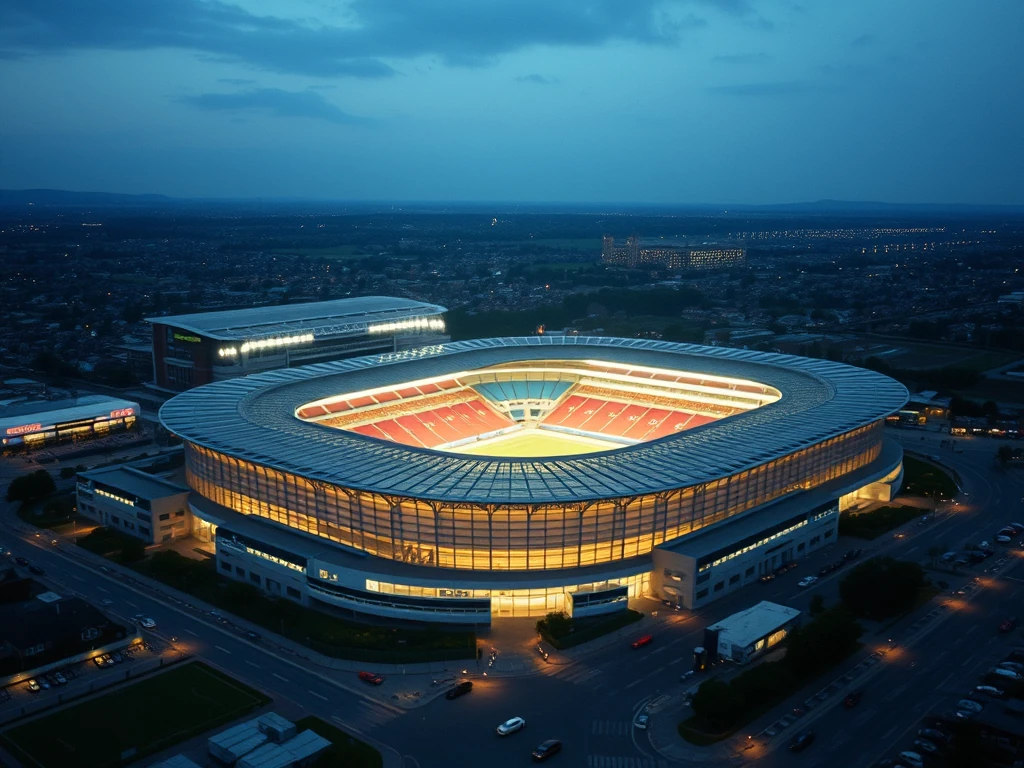
A defining moment came in the 1995-96 season when Gillingham finished the campaign in a commendable 4th place in Division Three, narrowly missing out on automatic promotion. However, this performance was a clear indicator of the progress being made. The Gills captured the imagination of their supporters, who flocked to Priestfield Stadium to witness the resurgence of their beloved club.
In the subsequent season, Gillingham's hard work and perseverance paid off. The club secured a place in the play-offs, where they faced the daunting task of overcoming the odds to reach Division Two. The semi-final against Fulham was a rollercoaster of emotions, ultimately culminating in a nail-biting penalty shootout victory that sent the Gills to Wembley for the final.
Wembley, the hallowed turf of English football, was the stage for Gillingham's destiny. On that fateful day in May 1999, the team faced Manchester City, a giant of English football, and the odds were stacked against them. However, Gillingham's spirit shone through as they fought valiantly, showcasing resilience and determination. The match ended in heartbreak, but the Gills had captured the hearts of many, winning respect and admiration throughout the footballing community.
The following season, Gillingham would not be denied. The team continued to build on their momentum, and under Pulis's guidance, they achieved a remarkable feat by finishing 2nd in Division Two, earning automatic promotion to Division One. This achievement was a testament to the club's hard work, determination, and the unwavering support of the fans who had stood by them through thick and thin.
The Gills' promotion to Division One in 2000 was not just a moment of triumph; it was a culmination of years of struggle and perseverance. The club had transformed from relegation battlers to a side capable of competing at a higher level. Players such as Darren Byfield and Paul Smith became household names, embodying the fighting spirit that defined Gillingham during this period.
As Gillingham embarked on their new adventure in Division One, the challenges grew, but so did the ambition of the club. Though the competition was fierce, the experience gained during their rise provided a foundation for the club to build upon, setting the stage for future successes and new challenges.
Looking back at this remarkable chapter, it is clear that the 1990s were pivotal in shaping Gillingham FC into the competitive club it is today. The resilience and determination displayed by the players, management, and the passionate fanbase created a legacy that continues to inspire future generations of Gills supporters. As we reflect on this era, we are reminded that in football, as in life, it is often the journey that defines us more than the destination.