As Gillingham navigates the challenges of League Two, the Gills have shown glimpses of promise intertwined with frustrating inconsistencies. Recent performances underscore the necessity for tactical tweaks that could help the team secure crucial points in their quest for promotion.
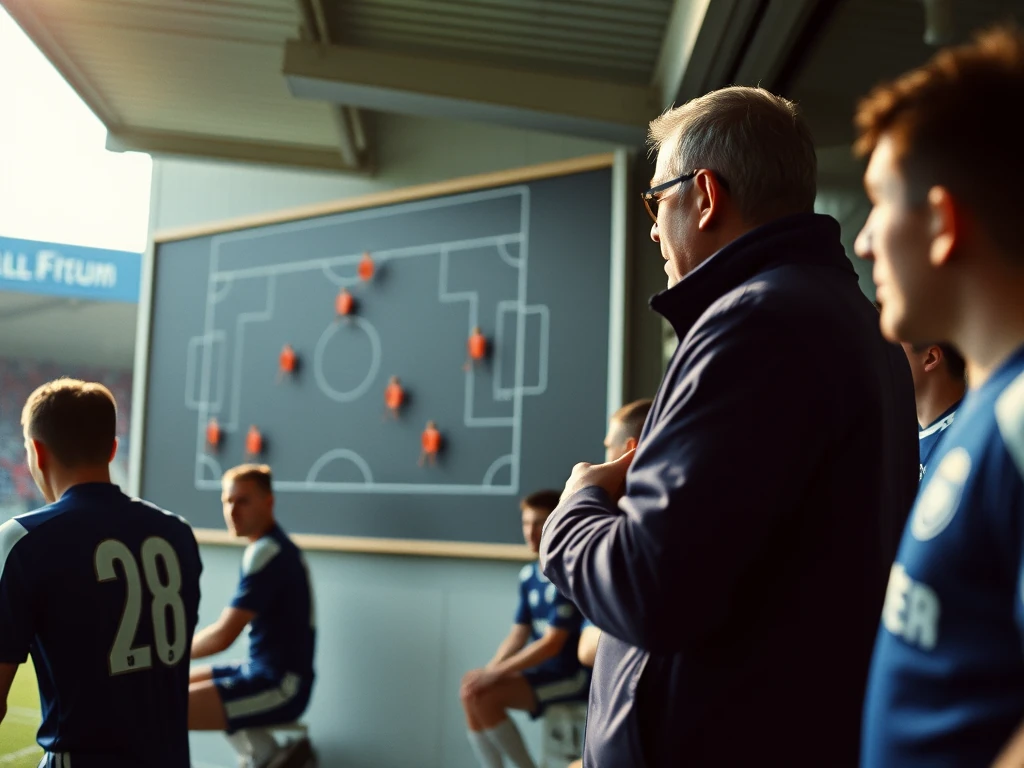
One significant aspect to address is the team's pressing strategy. The Gills have occasionally been caught in a reactive stance rather than a proactive one, allowing opponents to dictate the pace of the game. By implementing a more coordinated pressing system, Gillingham could disrupt the opposition's build-up play more effectively. This would involve the forwards working in tandem with midfielders to close down passing lanes and force errors higher up the pitch. A shift to a more aggressive pressing approach could also energize the team and engage the fans at Priestfield, reminiscent of the high-energy style that has historically characterized Gillingham's play.
Additionally, the formation used in recent matches has revealed the need for flexibility. While the current setup has its merits, transitioning between formations during a match-such as from a 4-4-2 to a more fluid 4-2-3-1-could provide the team with more attacking options and better control of midfield battles. By deploying wing-backs who can push forward and create width, Gillingham could stretch opponents and exploit gaps in their defensive lines. This tactical flexibility would not only enhance the team's offensive capabilities but also allow for adjustments based on the match situation, fostering a more dynamic approach.
In terms of personnel, integrating players who can adapt to these tactical changes is vital. The likes of Travis Akomeah and Armani Little should be encouraged to take on more creative responsibilities, particularly in transitional play. Their ability to carry the ball forward and link up with forwards could be pivotal in turning defensive situations into quick counter-attacks. Moreover, ensuring that the midfield is compact while also being capable of supporting the attack is crucial; a midfield trio that balances defensive duties with creative flair could make a significant difference in controlling games.
Defensively, Gillingham must also hone their organization during set-pieces, as they have conceded too many goals from dead-ball situations. A concerted focus on improving communication and positioning will be essential to rectify this. Introducing a set-piece specialist during training could help the squad sharpen their defensive protocols, potentially reducing the number of goals conceded from these critical moments.
Lastly, the importance of squad rotation cannot be overstated as the season progresses. Ensuring that key players are well-rested while maintaining competitiveness within the squad can help mitigate fatigue and injury, allowing for sustained performance levels. Utilizing the depth of the squad effectively will be crucial as Gillingham aims to mount a serious challenge in League Two.
In conclusion, by embracing tactical flexibility, enhancing pressing strategies, and refining set-piece organization, Gillingham can improve their recent form. The adjustments suggested could be the key to unlocking the potential within the squad, helping the Gills make a strong push as the season unfolds.