 Gillingham Hub
Gillingham's Tactical Evolution: Adjustments for Sustained Success
As we delve into Gillingham's recent form, it becomes clear that the Gills are experiencing a mixed bag of results in League Two. While there have been moments of brilliance, inconsistencies have crept in, affecting their standing in a fiercely competitive league. To turn this ship around and secure a better position on the table, a few tactical adjustments could make all the difference.
Current Formation and Style of Play
Gillingham has predominantly employed a 4-4-2 formation, which traditionally offers a strong defensive structure while allowing for a two-pronged attack. However, this setup has shown signs of being somewhat predictable against teams that have adapted to their style. Opponents have increasingly exploited spaces between the lines, and Gillingham's midfield has occasionally looked overrun, particularly against teams that press high or maintain possession well.
Suggested Tweaks
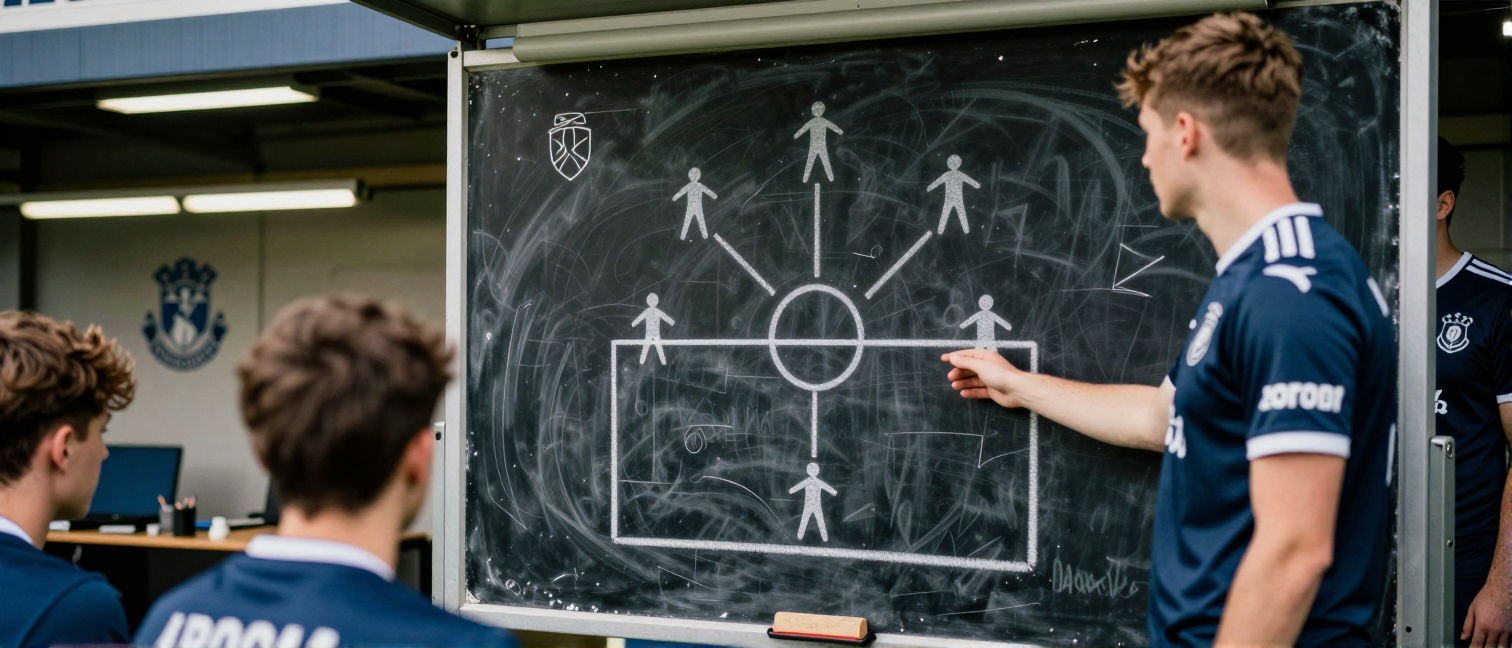
1. Transition to a 4-2-3-1 Formation: By shifting to a 4-2-3-1 system, Gillingham can benefit from an extra layer in midfield. This formation allows for better ball retention and provides a more dynamic attacking presence. The addition of a central attacking midfielder could facilitate link-up play and help in breaking down stubborn defenses.
2. Utilize Wing Play: The Gills have talented wingers who can stretch opposition defenses. By encouraging full-backs to overlap more frequently, Gillingham can create width and pull defenders out of position, thus opening gaps for the attacking midfielder and strikers to exploit. This could also help in transitions, allowing quick counter-attacks while providing defensive cover on the wings.
3. Pressing High with Purpose: While Gillingham has attempted to implement a pressing game, it often lacks cohesion. A more structured pressing strategy, with designated triggers for when to press, could capitalize on opponents' mistakes in their own half. This requires improved communication and understanding among players to ensure they can collectively apply pressure effectively.
4. Incorporating a Deep-Lying Playmaker: The introduction of a deep-lying playmaker in the midfield could add creativity and control. This player would not only dictate the tempo but also help in recycling possession and initiating attacks from deep, allowing for a more fluid transition from defense to attack.
5. Flexibility in Substitutions: Adapting the game plan based on match situations is critical. Introducing players with different skill sets who can impact the game positively when required, especially in the latter stages, can be a game-changer. This may include bringing on pacey wingers or a target man to shift the dynamics of the match.
Conclusion
In summary, Gillingham's current tactical setup has its merits, but to thrive in the cutthroat environment of League Two, a degree of evolution is necessary. By adopting a more flexible and dynamic approach, The Gills can not only enhance their attacking capabilities but also solidify their midfield presence. With the right tweaks and a commitment to executing these strategies, Gillingham can look forward to climbing the league table and achieving the success their passionate supporters crave.