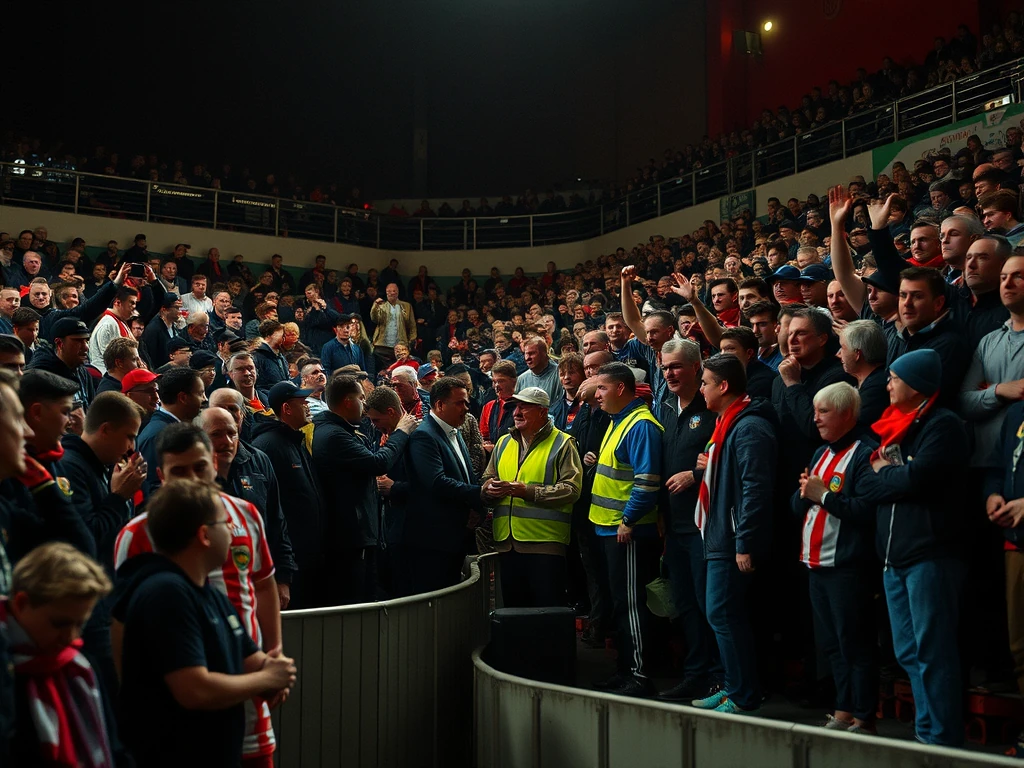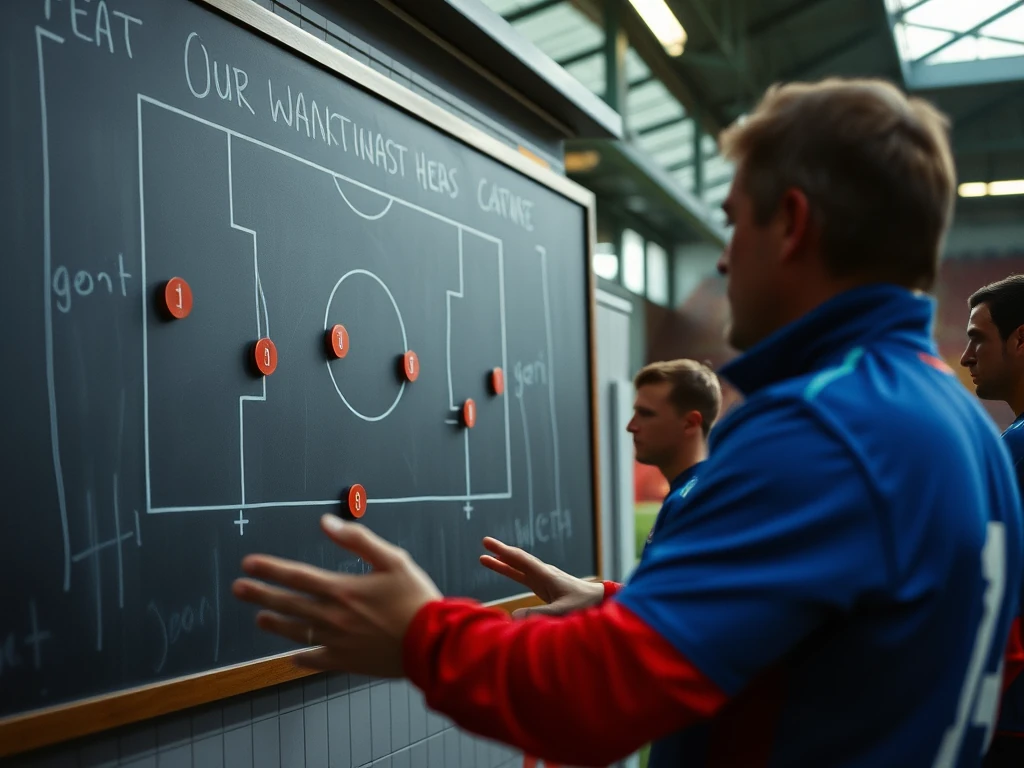
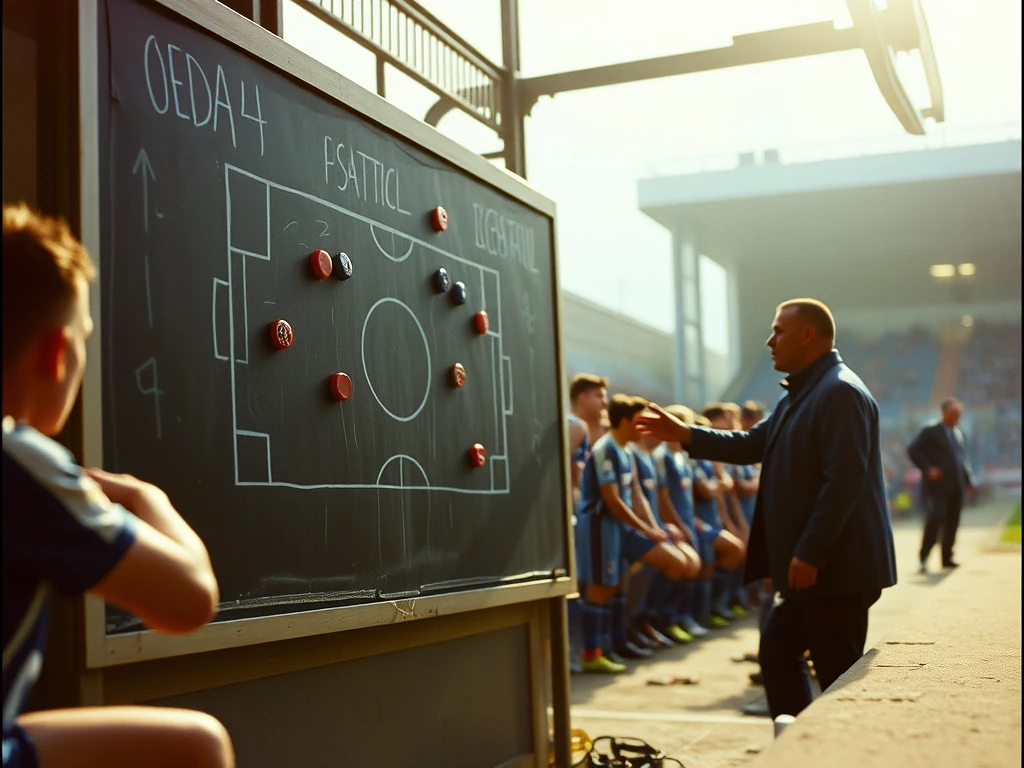
As the season progresses, Gillingham's adaptability on the pitch has caught the attention of fans and analysts alike. In recent matches, manager Neil Harris has made strategic changes to the team's formation, allowing Gillingham to operate effectively against different opponents. No longer is the team simply adhering to a standard 4-4-2 , they have embraced fluidity, shifting formations based on game dynamics.
In their last home game against a robust defensive side, Gillingham started with a 4-2-3-1 formation, which allowed midfielders C. Antwi and C. Beszant to exert control in the center. This flexibility paid off, as the midfield was able to transition seamlessly into a more attacking setup, creating chances for forwards like J. Andrews to exploit. The success of this strategy was highlighted when Andrews scored a well-timed strike that put Gillingham ahead early.
For the Gills, the ability to switch tactics has not only boosted their performance but has also provided a tactical edge. With defenses becoming increasingly difficult to break down in League Two, the need for innovation is vital. Harris commented post-match, "The players are understanding the game better; they're reading situations and adapting on the fly. That's exactly what we need moving forward."
Statistically, Gillingham has seen a marked improvement in attacking potency, boasting an average of 2 goals per game over the past few weeks. As they prepare for their next fixture, fans eagerly anticipate how the team will continue to evolve tactically. Will the Gills remain on this upward trajectory? Only time will tell as the season unfolds.