 Gillingham Hub
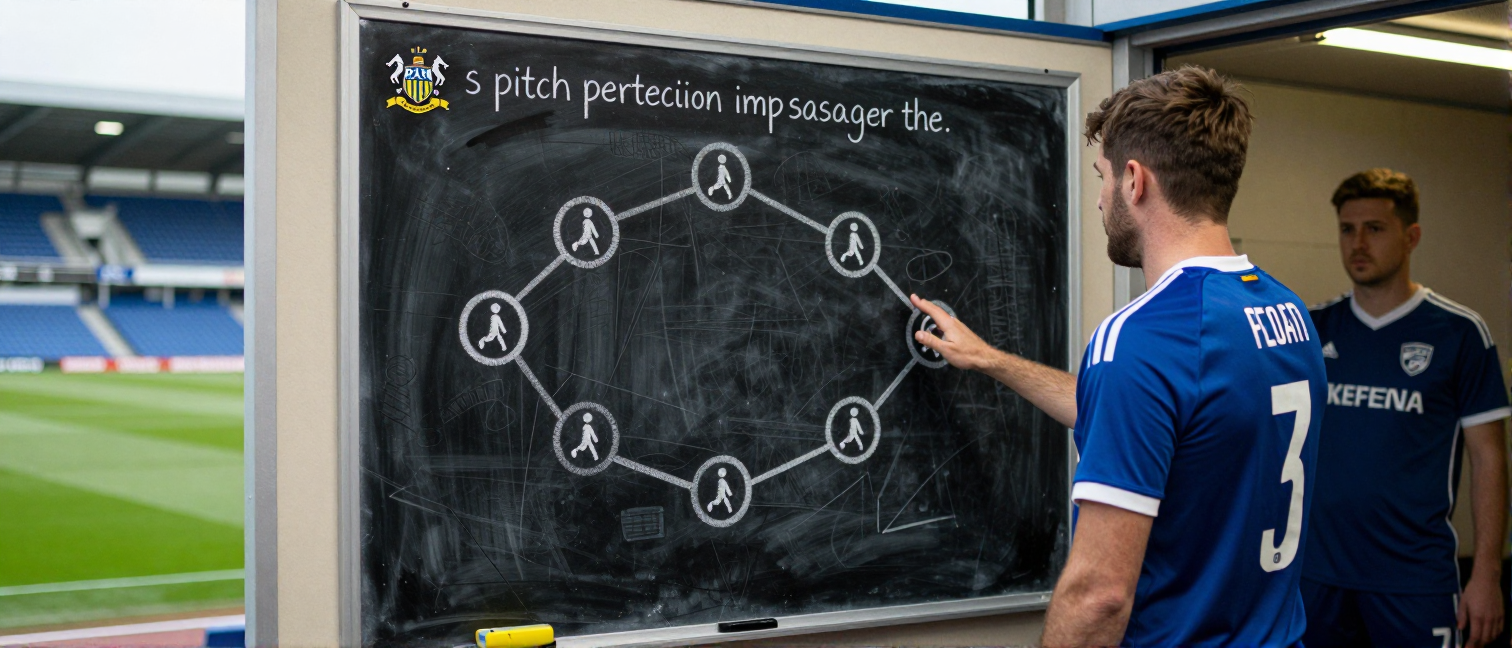
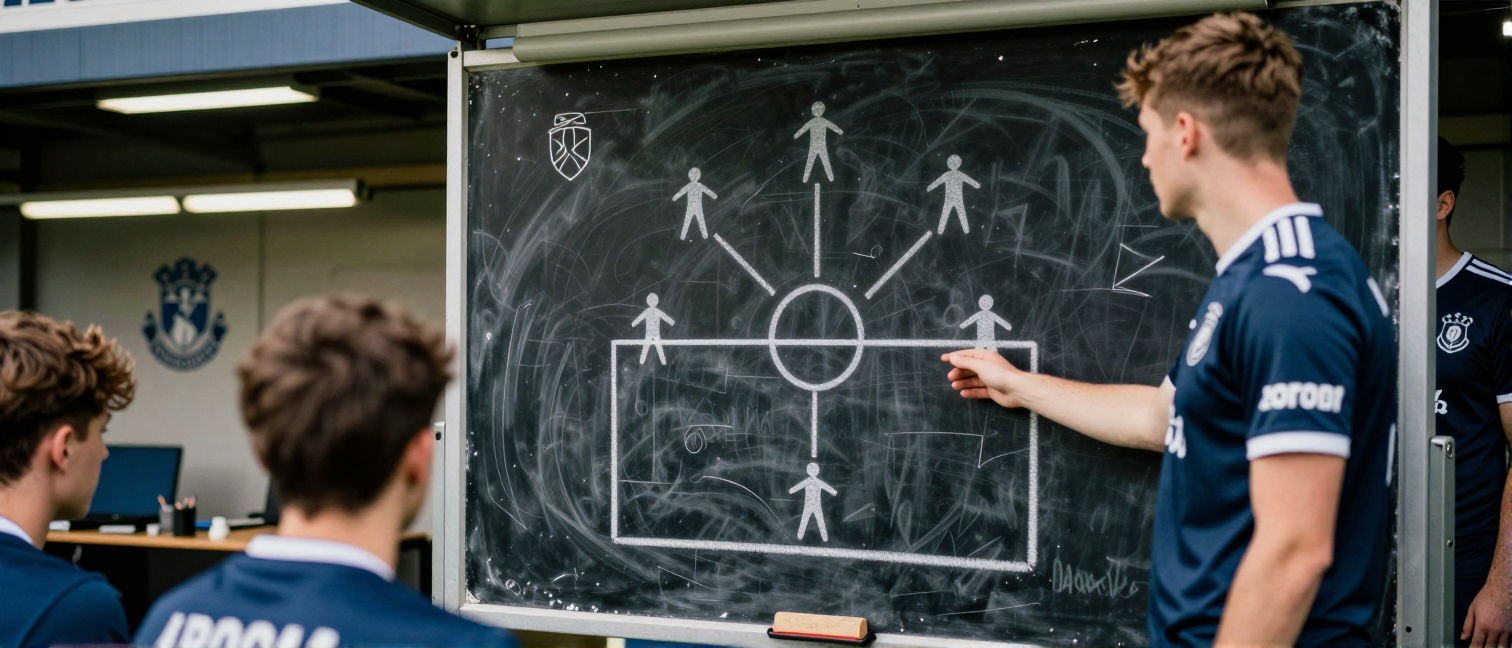
In recent weeks, Gillingham has undergone a tactical transformation that has caught the attention of many pundits and supporters alike. After struggling at the start of the season, manager Neil Harris decided it was time for a change, switching to a more aggressive formation that maximizes the strengths of his squad. The shift from a traditional 4-4-2 to a dynamic 4-3-3 has provided the Gills with the required offensive impetus at critical moments.
The key to this new strategy lies in utilizing the speed and creativity of players like J. Andrews and S. Booth in attack. Both players have made significant impacts since the change, with Andrews contributing vital goals alongside Booth's dynamic movement off the ball. This new approach also allows for more fluidity, enabling midfielders like C. Antwi and C. Beszant to join the attack effectively.
Against Bradford City recently, Gillingham's new tactics were on full display, as they controlled the midfield and created a plethora of scoring opportunities. The tactical flexibility has also enhanced defensive solidity, with the team pressing high and regaining possession quickly. The change has correlated with improved results, including a much-needed win that boosted morale.
Although the season is still in its early stages, the enthusiasm among Gillingham fans escalates with each display of tactical prowess. If Harris can refine this approach as the season progresses, it raises the question of whether Gillingham could challenge for a playoff spot. The fresh tactics suggest a newfound confidence that could define their League Two campaign.