
Introduction
As Gillingham continues its campaign in League Two, recent performances have stirred discussions among fans and pundits alike. While the squad has shown glimpses of potential, a closer examination of their tactical setup reveals opportunities for refinement that could propel the team higher in the table.
Current Form and Tactical Setup
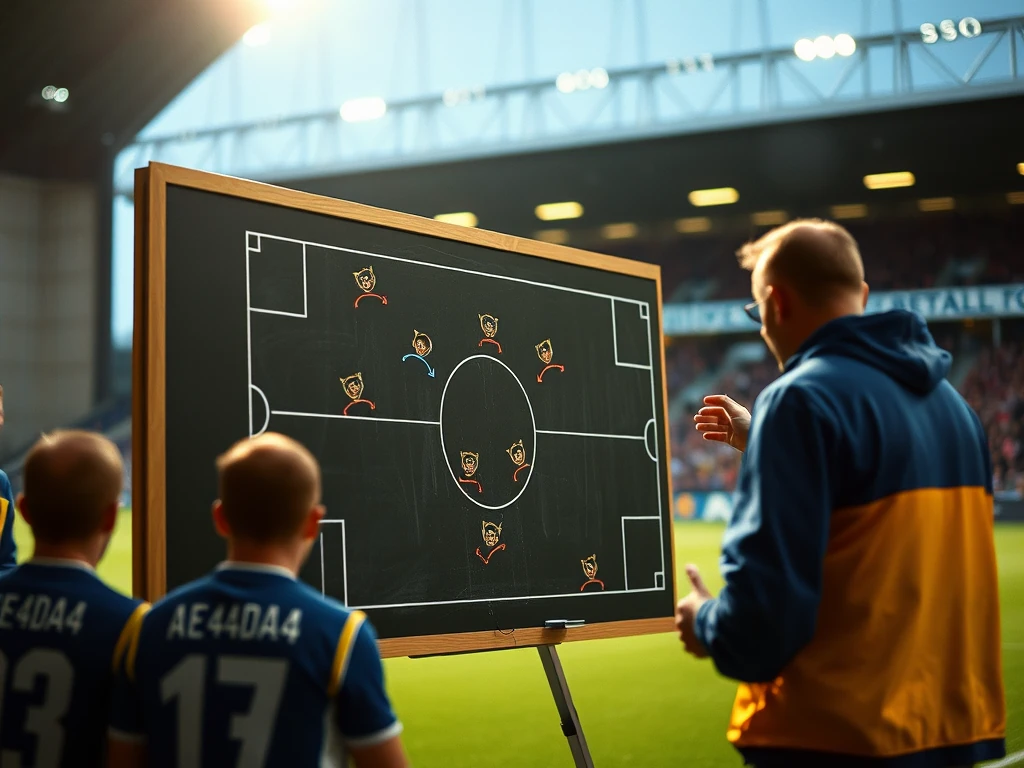
Gillingham has primarily utilized a 4-2-3-1 formation, which offers a solid defensive structure while allowing for creativity in attack. However, the effectiveness of this system has varied significantly depending on the opponents and game situations. In recent matches, the Gills have struggled to maintain possession in midfield, often allowing opponents to dictate play, which has led to defensive vulnerabilities.
Suggested Tactical Tweaks
1. Midfield Dynamics: One area of concern has been the central midfield. Currently, the dual pivot setup has not provided enough control, particularly against teams that press aggressively. Introducing a more fluid 4-3-3 formation could help, with one of the central midfielders given more freedom to push forward and support attacks. This tweak would not only enhance ball retention but also facilitate quicker transitions from defense to attack.
2. Wing Play and Width: Gillingham has occasionally struggled to stretch opponents and create space in the final third. By encouraging the wide players to stay wider and utilize the flanks more effectively, the team can create overloads on the wings. This would allow for more crossing opportunities and potentially draw defenders out of position, opening up spaces for the midfield runners.
3. High Pressing Strategy: Implementing a more aggressive pressing strategy could disrupt opponents’ buildup play, especially in home matches at Priestfield Stadium. By encouraging the front four to press high, Gillingham can regain possession in advanced areas, leading to more goal-scoring opportunities. This approach would require high levels of fitness and coordination, but could pay dividends against teams that struggle against pressure.
4. Defensive Cohesion: While individual performances have been commendable, the defensive unit has occasionally lacked cohesion, leading to lapses in concentration. Regular communication and a more compact defensive shape are essential to mitigate this issue. Pairing a more experienced defender with a younger player could help stabilize the backline, ensuring that both leadership and energy are present.
Conclusion
As Gillingham looks to build momentum in League Two, making these tactical adjustments could significantly impact their performances. With a focus on midfield control, wing play, high pressing, and defensive cohesion, the Gills have the potential to transform their fortunes. Fans will be eager to see how these tweaks are implemented in upcoming fixtures, hoping to witness a more dynamic and competitive side as the season unfolds.