 Gillingham Hub
Understanding Recent Form
Gillingham's recent performances have showcased a mixed bag of results, reflecting both resilience and areas that need improvement. The team has struggled to maintain possession and create clear-cut chances, which has hindered their goal-scoring opportunities. While the defense has been relatively solid, the midfield's lack of creativity has often left the forwards isolated, leading to unproductive attacking phases.
Tactical Analysis
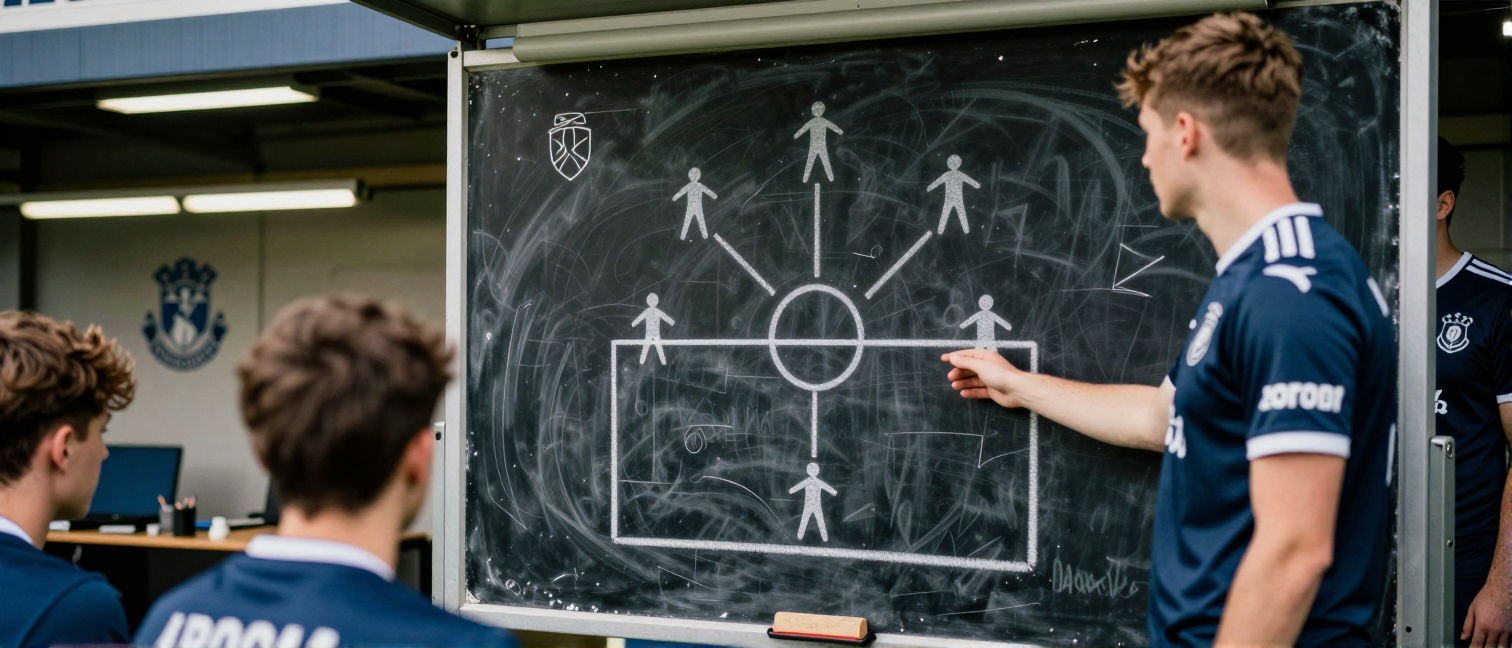
One of the primary observations in Gillingham's recent games is their reliance on a compact defensive structure, often employing a 4-4-2 formation. This setup has provided a sturdy backline, but it has also limited the team's ability to transition quickly into attack. The midfielders, while disciplined in their roles, have frequently found themselves outnumbered, making it difficult to link up play effectively with the strikers.
To enhance their attacking prowess, a shift to a 4-2-3-1 formation could be beneficial. This would allow for an additional attacking midfielder to support the strikers, creating more opportunities in the final third. The presence of a creative midfielder can help in orchestrating plays and providing the necessary support to the forwards, who have been left with too much to do on their own.
Suggested Tweaks
1. Increase Width in Attack: By instructing the wingers to stay wide, Gillingham can stretch the opposition's defense, creating space for the central players. This width will make it harder for defenders to mark attackers and could lead to more crossing opportunities from the flanks.
2. Dynamic Midfield Rotation: Encouraging the midfielders to rotate positions can confuse opponents and create gaps in their formation. This rotation allows for more fluidity and unpredictability in Gillingham's play, which is essential for breaking down stubborn defenses in League Two.
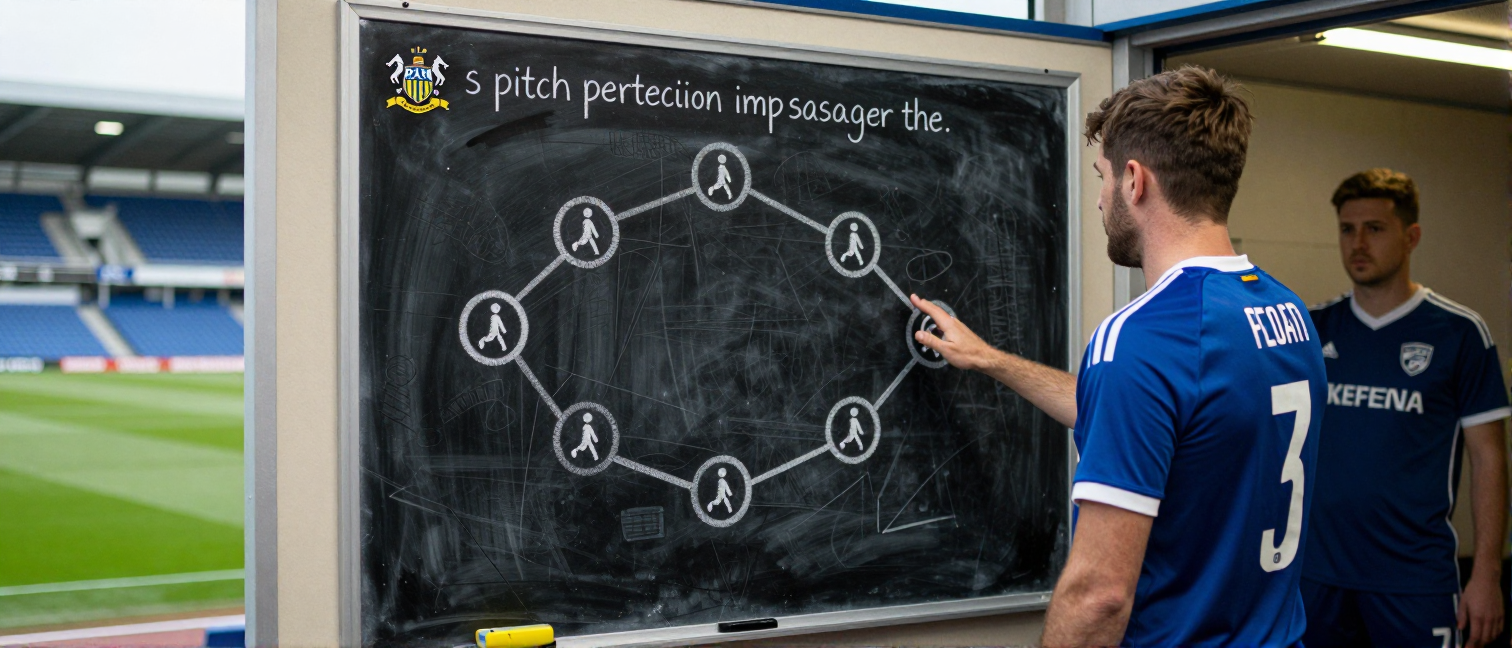
3. Pressing Triggers: Establishing clear pressing triggers when the opposition has the ball can help Gillingham regain possession higher up the pitch. This strategy not only disrupts the opponent's build-up play but also creates quick counter-attacking opportunities, something that has been missing in recent matches.
4. Utilize Set-Pieces: Given the physical presence of some players in the squad, Gillingham should put more emphasis on set-pieces. Training sessions focused on corner routines and free-kick strategies could yield crucial goals, especially in tight matches.
5. Substitutions with Intent: The timing and type of substitutions made during matches can significantly affect the game's outcome. Opting for more attacking substitutions, especially when chasing a game, will show intent and could lead to crucial late goals.
Conclusion
As Gillingham continues to adapt to the demands of League Two, implementing these tactical tweaks could redefine their approach and enhance their chances of climbing the table. With a more dynamic style of play, the Gills can become a formidable force, turning narrow defeats into vital victories. The fans at Priestfield Stadium deserve a team that not only battles hard but also plays with creativity and flair.