 Gillingham Hub
Tactical Tweaks for Gillingham: Finding the Right Balance
As Gillingham navigates its way through the current League Two season, the team's recent form has sparked conversations about potential tactical adjustments. While the Gills have demonstrated grit and determination, a few strategic tweaks could provide the edge needed to secure crucial points and climb the league table.
Formation Flexibility
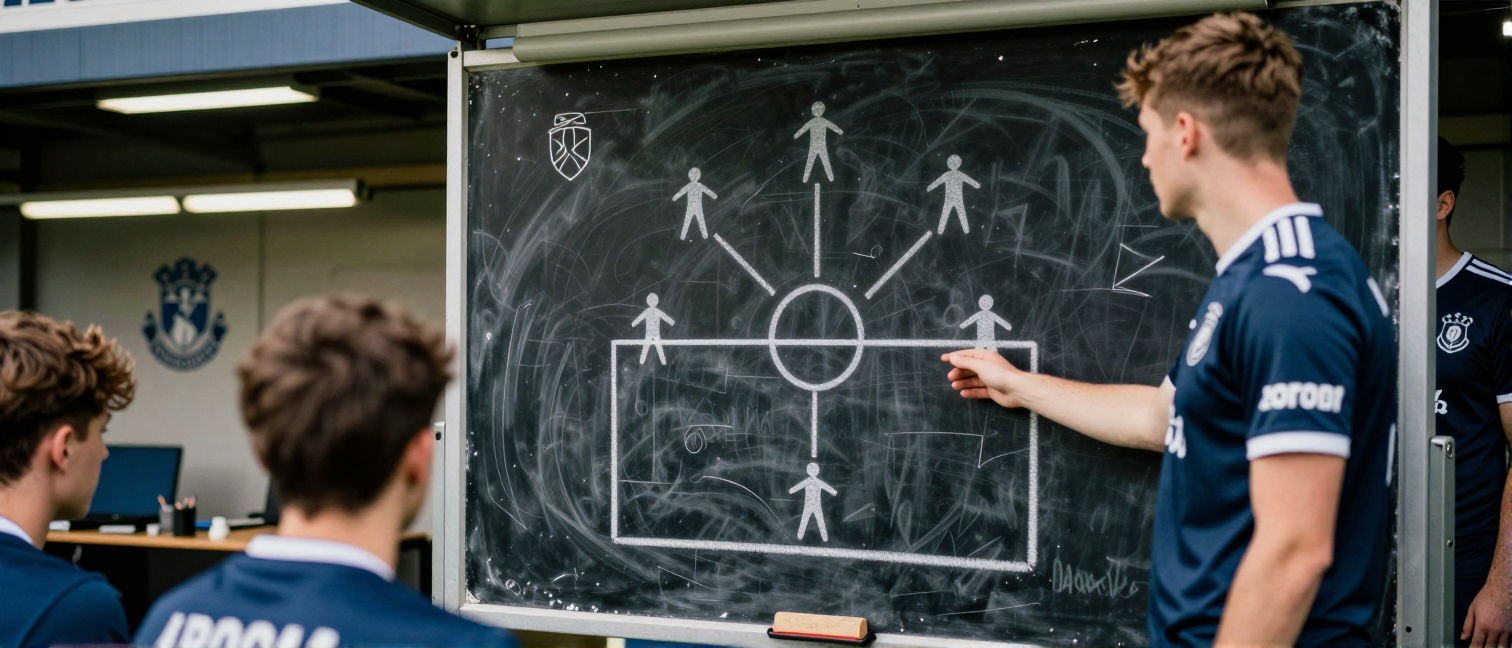
Currently, Gillingham often employs a 4-4-2 formation, which has served them well in certain encounters. However, against teams that dominate possession or play with a high press, this setup can become a liability. Transitioning to a 4-2-3-1 formation might offer better defensive stability while allowing the midfield to be more dynamic. This change would enable the team to have two holding midfielders who can break up opposition attacks and support the defense without sacrificing too much attacking threat.
Midfield Dynamics
One of the key areas for improvement lies in the midfield. While the likes of Armani Little and C. Antwi have shown flashes of brilliance, their roles need to be more clearly defined. By encouraging one of the midfielders to take on a more advanced playmaking role, Gillingham could increase their creativity in the final third. This player should be tasked with finding pockets of space between the opposition’s lines, thus drawing defenders out of position and creating opportunities for the wingers and the lone striker.
Wing Play Enhancement
Gillingham’s wingers have the potential to be game-changers, yet there are times when their influence wanes. Encouraging them to cut inside more frequently could stretch the defense and create space for overlapping full-backs. This tactic can lead to more goal-scoring opportunities and make Gillingham's attack less predictable. Furthermore, the team could benefit from implementing set plays that exploit the height and physicality of their forwards during corners and free-kicks.
Defensive Cohesion
While the defense has been commendable, there have been moments of disarray, particularly when facing fast counter-attacks. Improving communication among defenders is essential, as is instilling a sense of urgency in tracking back. A more compact defensive shape, particularly when the ball is lost, can mitigate the risk of conceding soft goals. Reinforcing the idea of a ‘first defender’ concept, where the nearest player applies pressure as soon as possession is lost, can help Gillingham regain control more effectively.
Utilizing Substitutions Wisely
Another area for consideration is the timing and strategy behind substitutions. Late-game substitutions should be utilized to either solidify a lead or inject fresh energy into the attack. Gillingham's bench has players with the potential to change the game, and using them at the right moment could exploit tired opposition legs and shift the momentum in The Gills' favor.
Conclusion
Gillingham’s recent performances have shown promise, but with a few tactical adjustments, the team can significantly enhance its chances of success. By embracing a more flexible formation, clearly defining midfield roles, enhancing wing play, and tightening defensive cohesion, the Gills can aim for consistency and resilience as they push forward in League Two. The right tweaks could turn potential into points and ensure that Gillingham remains competitive as the season progresses.