The Gills and Their Rituals: A Deep Dive into Matchday Culture
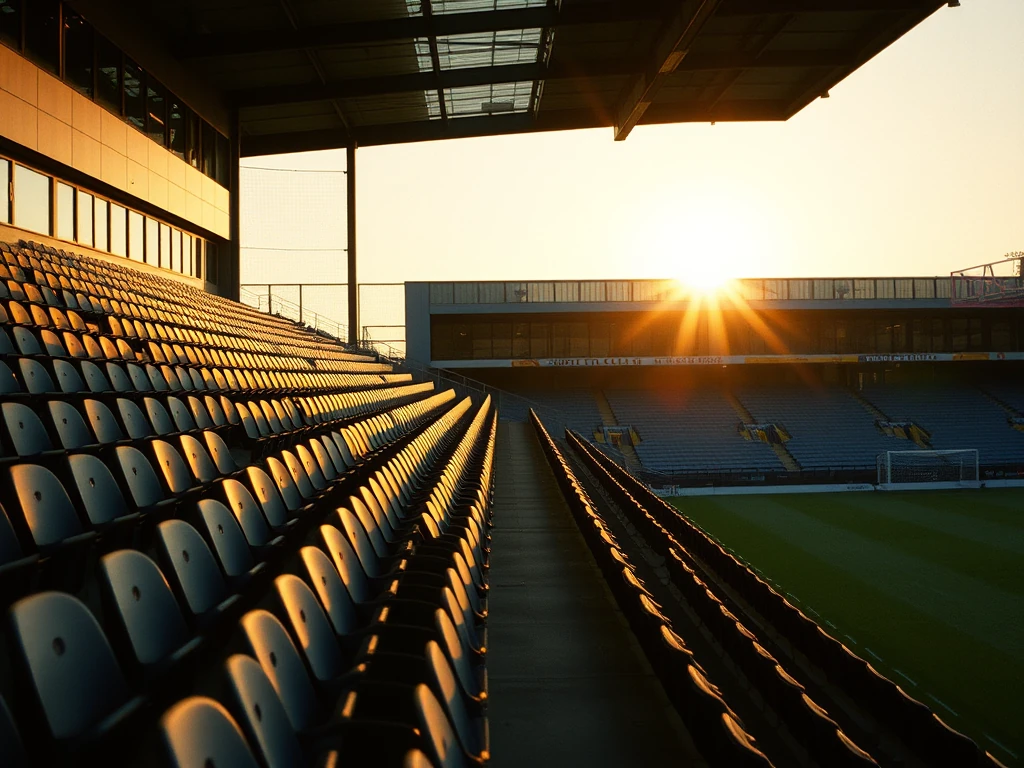
Every Saturday at Priestfield Stadium, the roar of the Gills resonates beyond the confines of the pitch, creating an atmosphere that can only be described as electric. As Gillingham FC prepares for another matchday, the city of Gillingham itself becomes a vibrant canvas painted with the colors of blue and white. The traditions and rituals of the supporters transform a regular football match into an unforgettable spectacle, deeply rooted in community spirit and regional pride.
Pre-Match Rituals: The Gathering of the Faithful
On match days, you can find a congregation of Gills supporters gathering well before the first whistle. The local pubs, particularly the nearby The Crown and The Railway Tavern, become an extension of the stadium, where fans exchange banter and share their hopes for the game ahead. A popular ritual among the loyal supporters is the singing of club anthems, with “Gills Till I Die” echoing in unison, creating an electric atmosphere that sets the tone for the day.
For many, the journey to Priestfield is a rite of passage. The walk from the train station is a pilgrimage of sorts, with fans sporting their colors proudly, exchanging high-fives and stories of past glories. The air thickens with anticipation, and the closer you get to the stadium, the louder the chants become. This sense of community is what makes being a Gills supporter so special, as families and friends come together to celebrate their shared love for the club.
The Derby Atmosphere: When Millwall Comes to Town
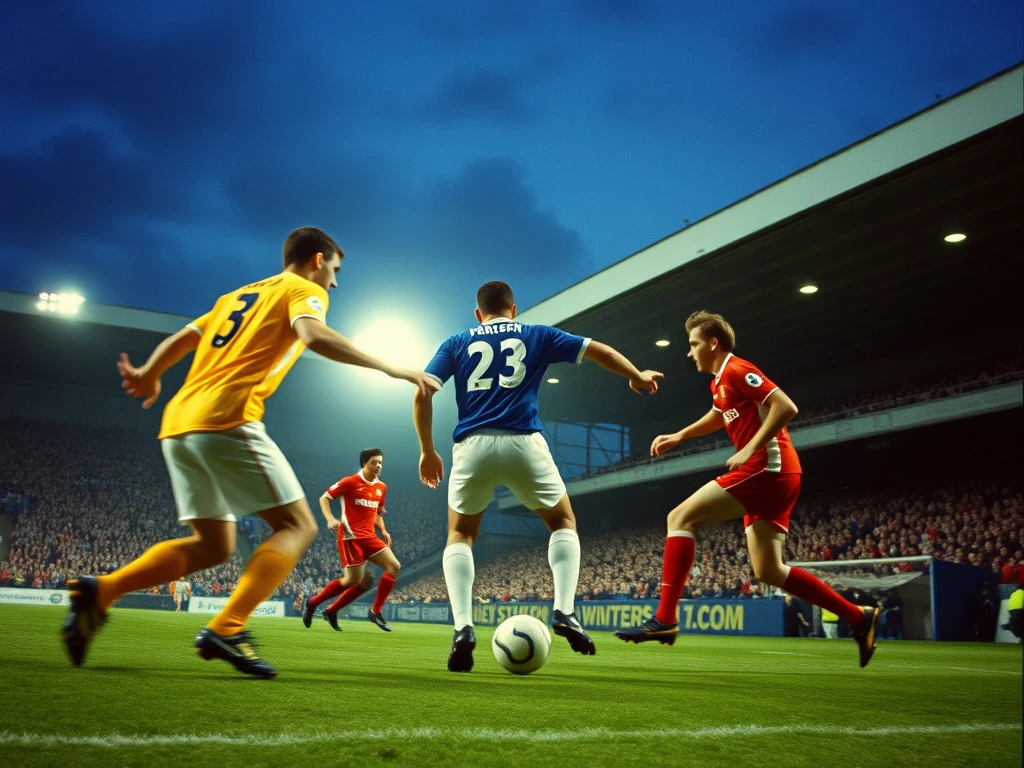
When it comes to local derbies, nothing compares to the ferocity of a match against Millwall. The atmosphere transforms; the stakes are higher, and the tension palpable. Fans start arriving earlier than usual, donning their Gills jerseys with a renewed sense of pride and defiance. The chanting becomes more aggressive, with supporters creating a wall of sound that reverberates throughout Priestfield.
During these matches, the stadium is a cauldron of noise. The Gills faithful are known for their creative chants, often tailored to mock their rivals while rallying behind their own players. The rivalry isn’t just about football; it’s a clash of cultures, histories, and identities, and it fuels the passion of the supporters. Each goal scored by Gillingham sends shockwaves through the stands, while every missed chance by Millwall is greeted with a roar of approval that shakes the very foundations of the stadium.
The Rituals of Matchday: From Tifo Displays to Post-Match Cheers
One standout element of Gills matchday culture is the display of tifos, where fans come together to create stunning visual tributes to the team. These displays are meticulously planned, often involving large banners, coordinated colors, and creative designs that captivate everyone present. The effort put into these displays showcases the dedication of the Gills supporters, as they seek to inspire their team and intimidate their opponents.
As the match unfolds, the rituals continue. The iconic “Blue and White Army” chant often reverberates, reminding the players that they are not alone in their battle on the pitch. The collective energy of the supporters can be a game-changer, lifting the Gills during critical moments.
Post-match, win or lose, the camaraderie remains. Fans linger outside the stadium, discussing the match, sharing opinions, and sometimes even singing more songs. It’s a community that thrives on passion, resilience, and a shared journey, regardless of the outcome on the pitch.
Conclusion: The Heartbeat of the Gills
The culture of Gillingham FC supporters is a rich tapestry woven with threads of tradition, rivalry, and unwavering loyalty. As the Gills continue to navigate the ups and downs of League Two football, one thing remains certain: the spirit of the fans will always be the heartbeat of the club. From pre-match rituals to the post-match celebrations, the essence of being a Gills supporter transcends the game itself, embodying a sense of belonging that is as crucial as the scores on the board.