
Analyzing Recent Form
Gillingham's recent performances have been a mixed bag, oscillating between promising displays and frustrating stumbles. While the squad has shown glimpses of potential, particularly in their attacking play, the lack of cohesion in both the midfield and defensive units has often left them vulnerable against well-organized opposition. The current tactical setup, which often defaults to a 4-4-2 formation, has its merits but also exposes the team to certain weaknesses, particularly in transition phases and when pressed high by opponents.
Midfield Dynamics
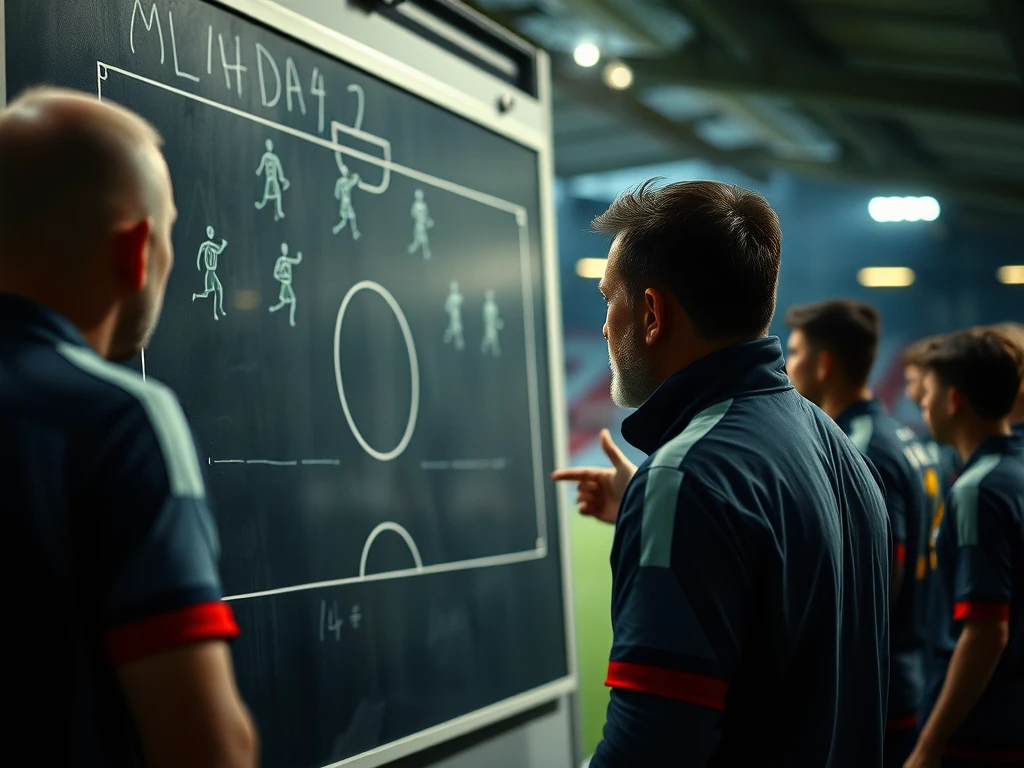
One of the key areas for improvement lies in the midfield dynamic. The current setup often sees two central midfielders tasked with both defensive duties and initiating attacks. However, this dual responsibility can lead to a disconnect when Gillingham loses possession. Instead, introducing a more fluid 4-2-3-1 formation could provide the necessary balance. By fielding two deeper-lying midfielders, the team can better shield the backline while allowing the attacking trio to exploit spaces in the opposition's defence. This shift would enable players like the creative playmaker to find pockets of space and dictate the tempo from a more advanced position.
Defensive Solidity
Defensively, Gillingham has struggled with maintaining shape during transitions. The current full-backs often push high up the pitch, leaving the centre-backs exposed. A tactical tweak here could involve a more conservative role for the full-backs, allowing them to support the attack but also ensuring they can quickly retreat to form a backline when possession is lost. Implementing a staggered press, where one of the midfielders engages the opposition while the others fall back into a compact structure, could also help in regaining possession more effectively.
Attacking Fluidity
In terms of attacking play, Gillingham's forward line has shown flashes of brilliance but lacks a consistent finishing touch. Adopting a more fluid front three, with players rotating positions, could confuse opposing defenders and create more goal-scoring opportunities. Encouraging the wingers to cut inside while the striker pulls defenders away could lead to more one-on-one situations in the box. Furthermore, integrating overlapping runs from the full-backs can provide additional width and stretch the opposition, breaking down stubborn defensive lines.
Conclusion
In conclusion, Gillingham has the potential to enhance their performances and results with some tactical adjustments. By shifting to a 4-2-3-1 formation, ensuring defensive solidity, and promoting attacking fluidity, The Gills can better compete in League Two and ultimately climb up the table. The right tweaks could transform their approach, making them a more formidable opponent in the second half of the season.