Introduction
Gillingham's recent performances have shown moments of promise, but inconsistency has kept them from climbing the League Two table. As the season progresses, it's crucial for the management to assess tactical adjustments that can elevate the team’s game. Let’s delve into some potential tweaks that could help Gillingham find their rhythm and improve their results.
Current Tactical Setup
Gillingham has predominantly employed a 4-4-2 formation, which has served them well in providing a solid defensive base. However, this formation may be limiting their attacking potential, particularly against teams that set up to counter their style. With the right adjustments, The Gills can exploit opposition weaknesses more effectively.
Suggested Formation Change: 4-2-3-1
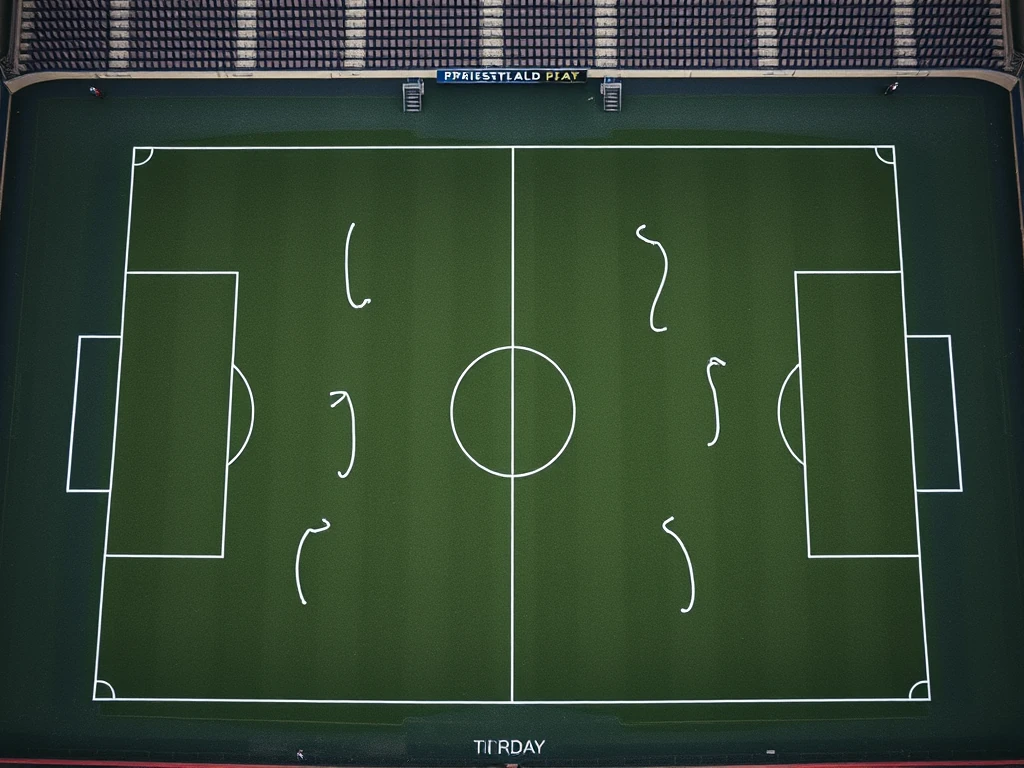
One of the primary adjustments that could benefit Gillingham is a shift to a 4-2-3-1 formation. This setup would allow for greater flexibility in attack, with a dedicated playmaker positioned behind the striker. By utilizing a central attacking midfielder, Gillingham can enhance their creativity and link-up play in the final third.
Key Advantages of 4-2-3-1:
1. Increased Creativity: A dedicated number 10 can facilitate better interplay between the midfield and the forwards, creating more goal-scoring opportunities. 2. Width and Depth: With wingers pushing higher up the pitch, Gillingham can stretch opponents and create space for their attacking players. 3. Solid Defensive Shield: The two holding midfielders can provide extra cover for the back four while also being able to transition the play effectively.
Personnel Adjustments
To implement this formation successfully, certain personnel tweaks will be essential. Gillingham’s midfield has shown depth, but a more defined role for players like J. Williams and A. Smith can maximize their strengths. - J. Williams could operate as the attacking midfielder, utilizing his vision to unlock defenses. - A. Smith and another central midfielder can provide the necessary defensive cover while also supporting forward movements. - Additionally, bringing in pacey wingers can enhance the team’s width and counter-attacking abilities.
Emphasizing Pressing and Transition
Another tactical area to consider is the pressing strategy. Gillingham can adopt a more aggressive pressing game, especially when opponents are building from the back. This approach not only disrupts the opposition’s rhythm but also creates opportunities for quick turnovers. Ensuring the forwards and midfielders are on the same page regarding pressing triggers will be essential for this tactic to succeed.
Conclusion
With the right tactical adjustments, Gillingham can enhance their playing style and adapt to the challenges of League Two. Shifting to a 4-2-3-1 formation, refining player roles, and adopting a more aggressive pressing strategy could be the keys to unlocking their potential. As the season unfolds, it will be fascinating to see how these tweaks could transform The Gills’ performances and results at Priestfield Stadium.